Overview
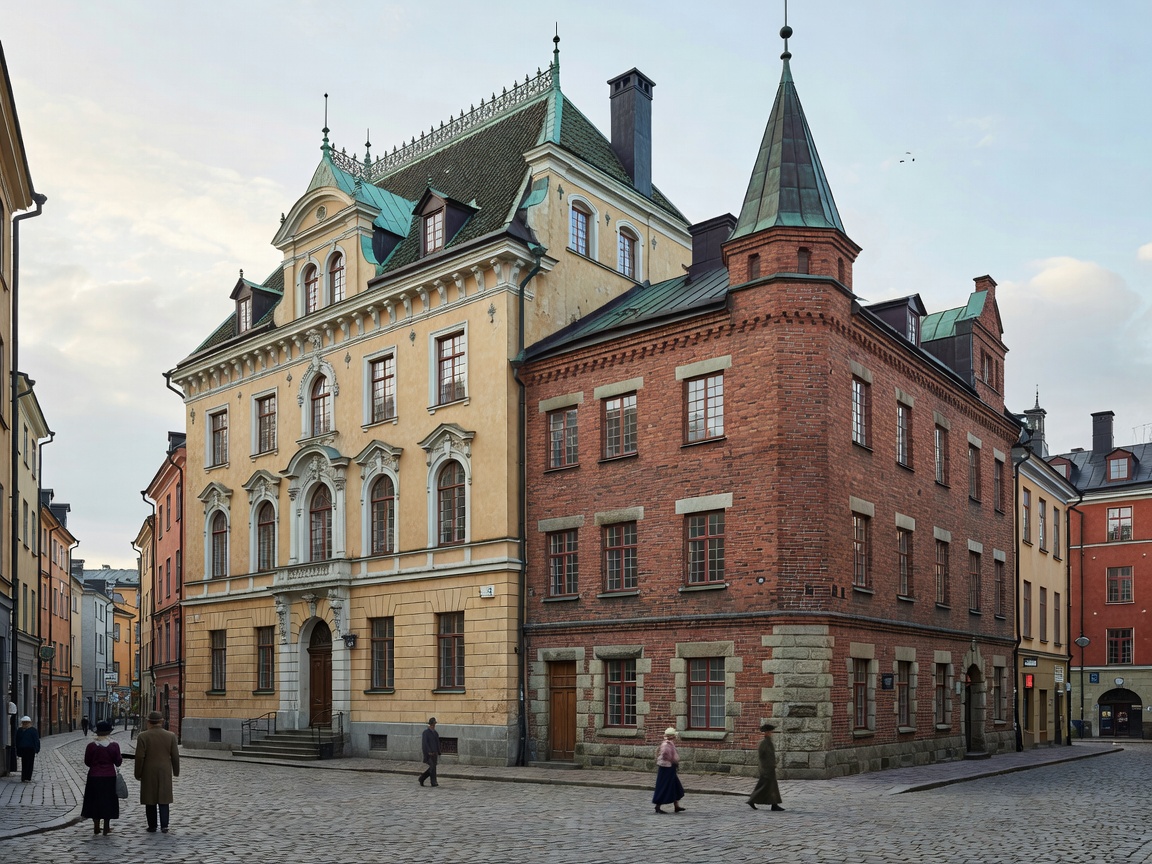
Helsinki City Museum is the city’s own museum, dedicated to the history and everyday life of Helsinki and its people. Its main venue sits at the corner of Senate Square, with the entrance on Aleksanterinkatu, inside historic buildings in one of the oldest blocks of the city centre. Admission to the main venue is free, which makes it one of the best-value cultural stops in the capital — and an ideal place to warm up on a cold day.
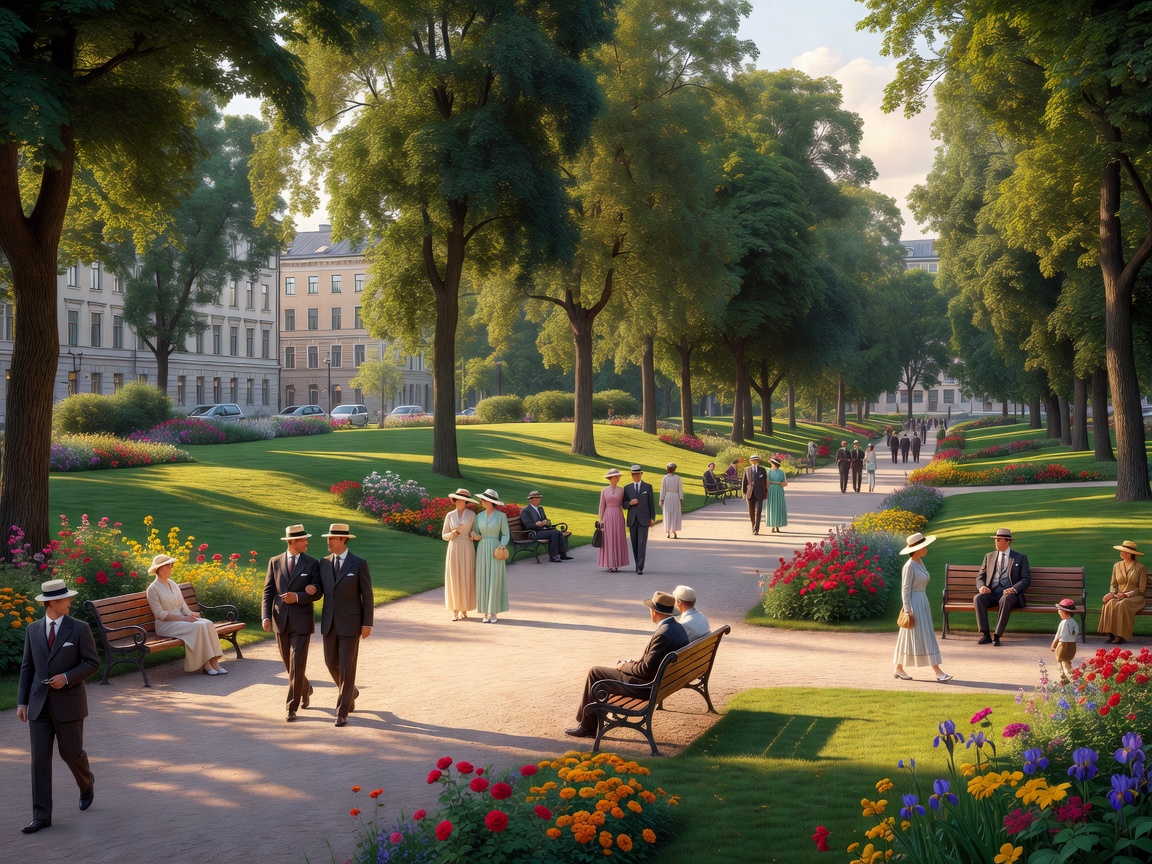
Rather than presenting history as a list of kings and battles, the museum focuses on how people actually lived: homes, shops, schools, streets, celebrations and changing neighbourhoods. The approach suits first-time visitors who want context for what they see outside, as well as residents curious about their own streets.
What to expect
- Everyday history. Exhibitions use objects, photographs and personal stories to show how Helsinki changed from a small town into a modern capital.
- Recreated interiors. The museum has used period room settings that let visitors step into homes and workplaces from different decades. Exhibitions change, so check what is currently on show.
- Family spaces. Hands-on areas designed for children make it a good choice for families, particularly in bad weather.
- Historic setting. The buildings themselves are part of the experience, sitting in the old heart of the city next to the neoclassical Senate Square ensemble.
- A café and shop. Useful for a break; spending is entirely optional.
The museum also runs smaller sites elsewhere in Helsinki, such as the Tram Museum and the Worker Housing Museum. Their opening seasons and entry terms vary, so check the official museum website before planning a visit.
Who it suits
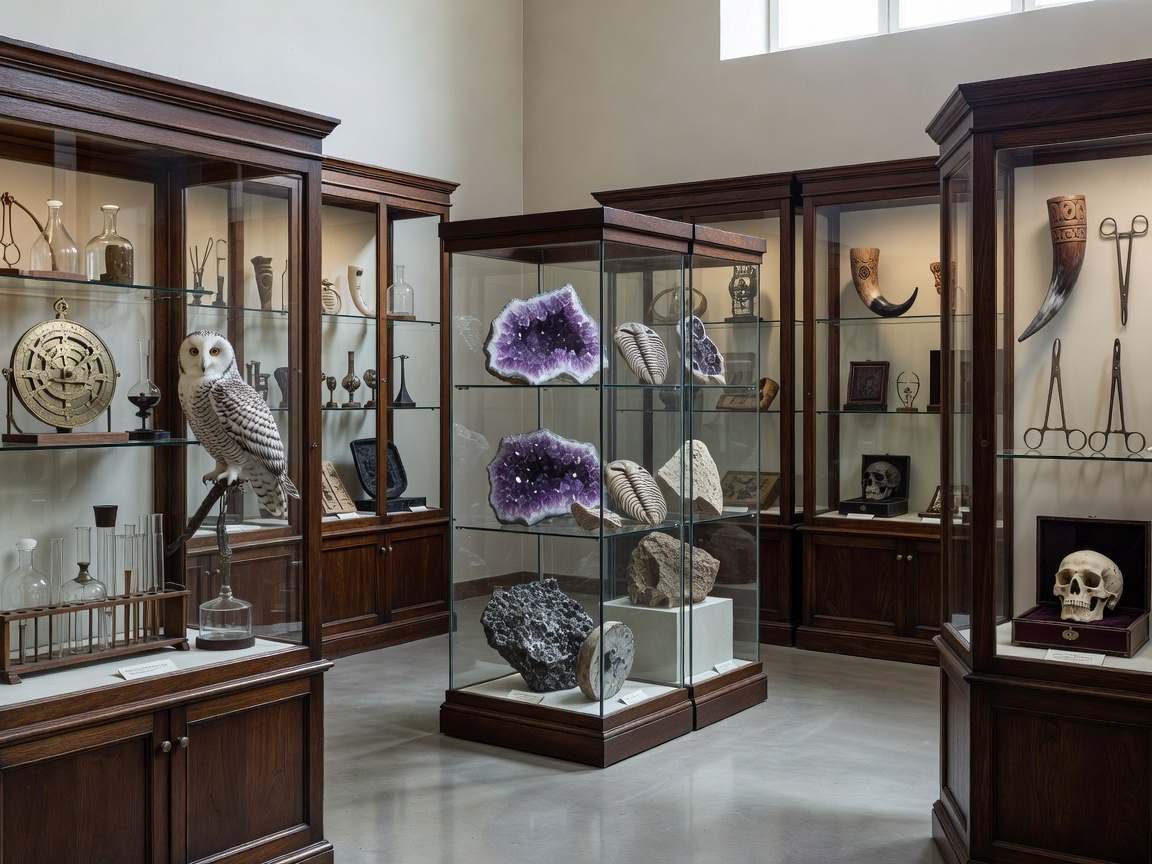
The City Museum works well for short visits (45–90 minutes), for families, and for travellers who want to understand Helsinki before exploring it. Visitors looking for fine art or natural history may prefer other institutions; this is a social-history museum at heart.
Seasonal information
Winter
The museum comes into its own in winter, when short days and freezing temperatures make indoor options valuable. Senate Square often hosts seasonal events in December, so the area can be busy.
Spring and autumn
Good for rainy days. Weekday mornings tend to be quieter than weekend afternoons.
Summer
Senate Square fills with visitors and cruise-ship groups in summer. Visit early or late in the day for a calmer experience.
Opening hours differ by day and around public holidays. Always confirm times on the official website.
Accessibility
The museum publishes accessibility information for its venues on its website, including details about entrances, lifts and facilities — read it before visiting, as arrangements in historic buildings can change. Be aware that the approach across Senate Square involves cobblestones and slopes, which can be difficult for wheelchairs and in icy weather. Aleksanterinkatu, where the entrance is located, is smoother. Trams stop close to Senate Square; check the HSL Journey Planner for the nearest stop.
Walking route: old town core (about 1.2 km)
- Leave the museum and step out onto Senate Square to see Helsinki Cathedral at the top of its steps.
- Walk a few minutes north to the Helsinki University Museum on Snellmaninkatu.
- Return via Unioninkatu, passing the University of Helsinki’s buildings.
- Continue south to Esplanadi and the Market Square.
Pros and cons
Pros
- Free entry to the main venue
- Central location on Senate Square
- Family-friendly and weather-proof
- Great introduction to the city
Cons
- Social history focus may not suit art lovers
- Can get busy on rainy weekends
- Cobbled approach across Senate Square
- Satellite sites have different hours
How it compares
The City Museum is the most reliably free and accessible of the two museums in this guide. Pair it with the University Museum for a deeper look at academic history, or with a stroll in Esplanadi for a fully free afternoon.