Overview
Seurasaari is a wooded island in western Helsinki, joined to the mainland by a white wooden footbridge. The open-air museum on the island was founded in 1909 by the ethnographer Axel Olai Heikel. Over the decades, farmhouses, cottages, storehouses, a manor and a church were dismantled in different parts of Finland, moved here and rebuilt, creating a walkable picture of rural life across several centuries. The museum is managed by the Finnish Heritage Agency.
The key thing to understand before you go: the island itself is free to visit throughout the year. You can walk the paths, look at the buildings from outside, picnic by the shore and watch the squirrels without paying anything. Entry to the building interiors — with guides and demonstrations — is offered during the summer museum season and may require a ticket. Check the National Museum of Finland website for the current season dates and prices.
What to see for free
- The footbridge. The approach across the white wooden bridge is one of the most photographed scenes in western Helsinki.
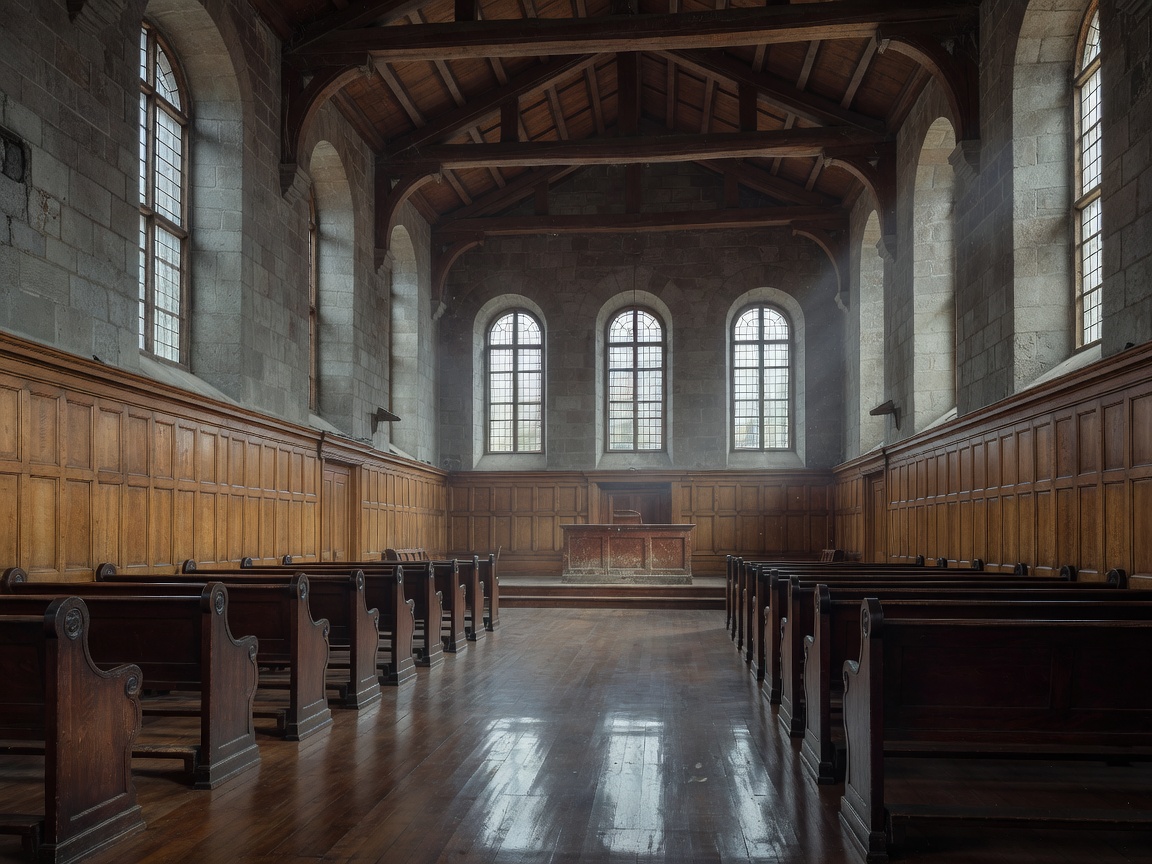
- Karuna church. A wooden church from the 17th century, relocated to the island. Its exterior and setting are impressive even when the doors are closed.
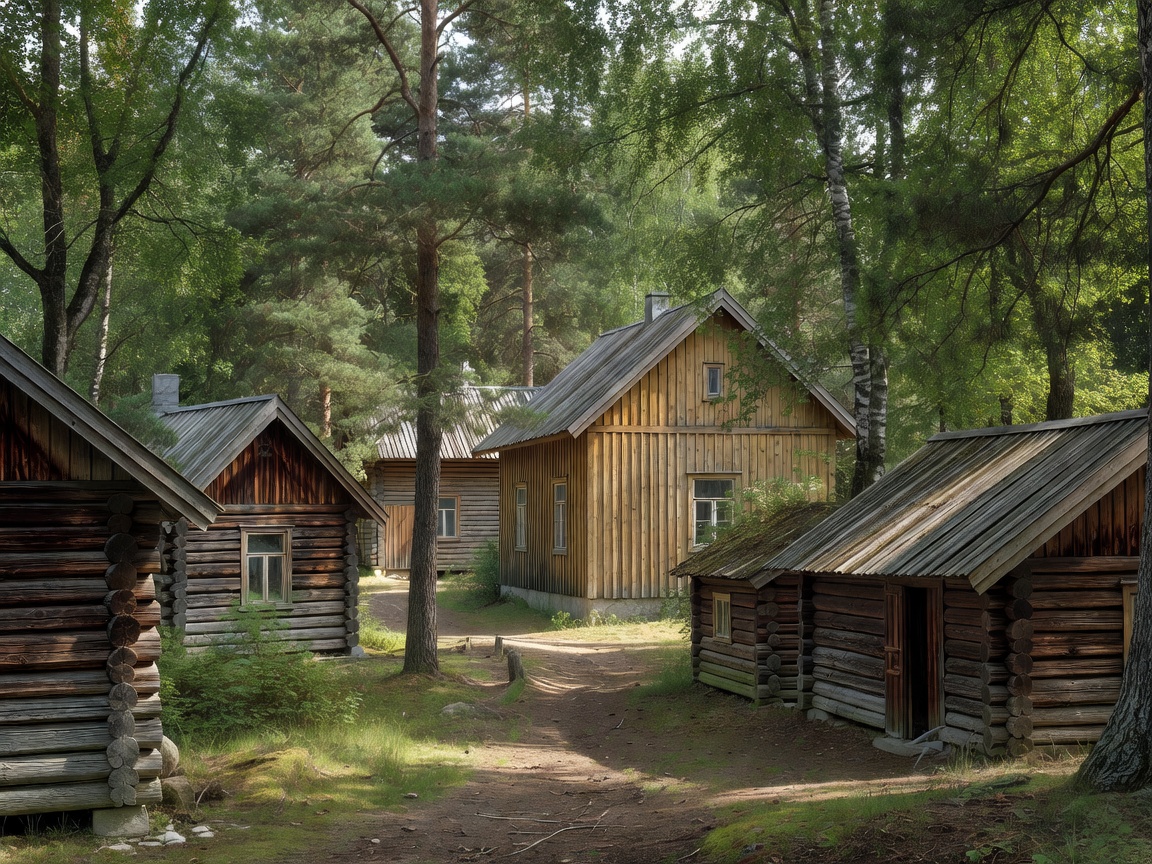
- Farmsteads and crofts. Clusters of log buildings show how farming families, crofters and wealthier landowners lived in different regions.
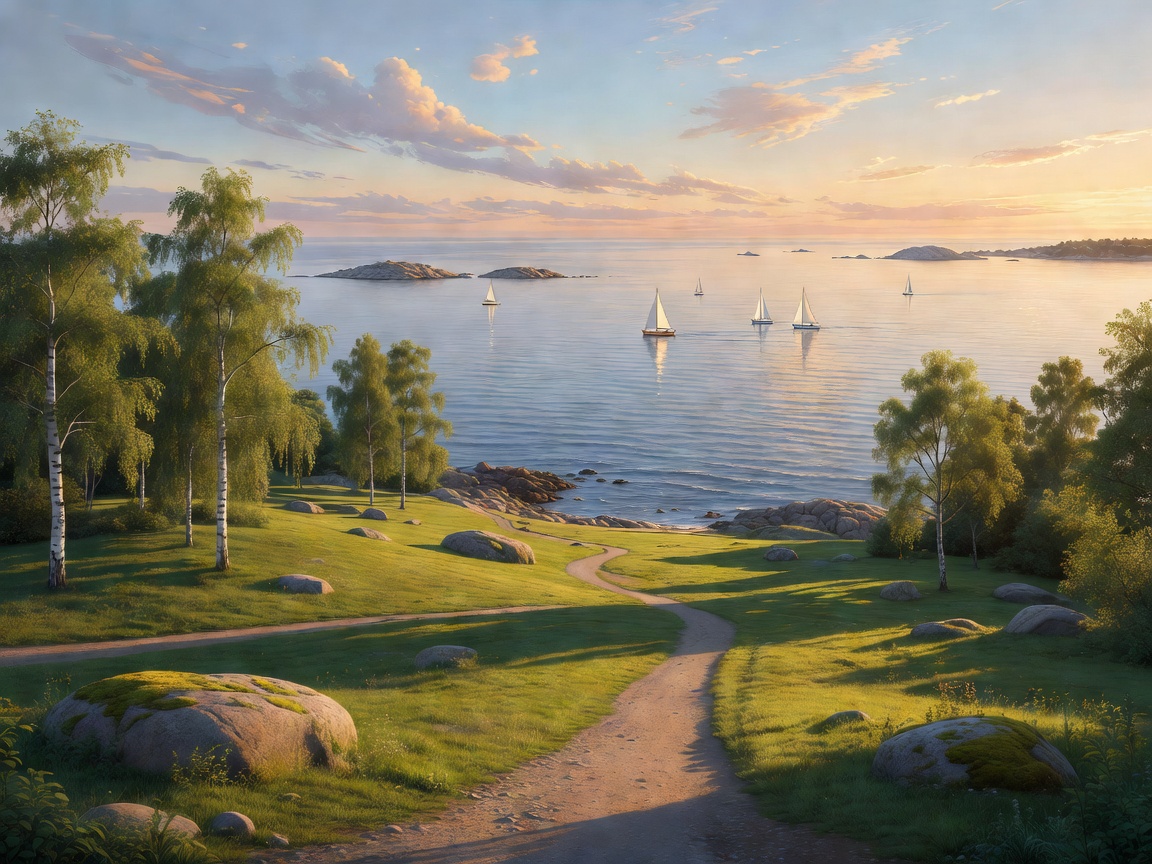
- Shore and forest. Rocky beaches, pine forest and quiet bays. The island has designated swimming spots; follow the signs.
- Wildlife. Seurasaari’s squirrels and birds are famously bold. Follow any posted guidance about feeding animals.
Just before the bridge you pass Tamminiemi, the former residence of President Urho Kekkonen, now a museum with its own separate admission.
Free vs. paid: a quick comparison
| Experience | Island only (free) | Summer museum visit |
|---|---|---|
| Paths, shoreline, picnics | Yes, all year | Yes |
| Building exteriors | Yes | Yes |
| Building interiors | No | Yes, in season |
| Guides and demonstrations | No | Often, in season |
Seasonal information
Late spring and summer
The museum season runs through the warmer months, roughly from late spring to early autumn. Midsummer is the island’s busiest moment: Seurasaari is well known for its traditional Midsummer Eve celebrations with bonfires, which are organised as a ticketed event.
Autumn
After the museum season ends, the island becomes quiet. Autumn colours against the dark log buildings make it a favourite for photographers.
Winter
Snow-covered paths and closed, silent farmsteads give the island a calm, almost rural feel. Paths may be icy or unploughed in places, so wear shoes with grip. Daylight is short in December and January.
Accessibility
Seurasaari is the most demanding of the five places in this guide. The footbridge has gradients, and island paths are a mix of gravel, forest surfaces and roots, with some slopes. Many historic buildings have high thresholds, steps and narrow doorways that reflect their original construction. Visitors with limited mobility can still enjoy the flatter sections near the entrance. For current accessible routes and facilities, contact the museum before visiting.
Getting there
Seurasaari lies a few kilometres west of the city centre. Buses run from the centre toward the island; use the HSL Journey Planner for current routes and times. Cycling and walking along the shore through Meilahti are pleasant alternatives in good weather.
Walking route: island circuit
- Cross the footbridge and follow the main path toward the museum area.
- Visit the church and the nearest farmsteads.
- Continue along the shoreline paths around the island’s edge.
- Loop back through the forest to the bridge.
Allow roughly one to two hours at an easy pace, more if you stop to picnic or join a summer tour.
Pros and cons
Pros
- Free island access all year
- Unique concentration of historic rural buildings
- Forest and sea in one visit
- Memorable Midsummer tradition
Cons
- Interiors only in season and may cost extra
- Uneven terrain limits accessibility
- Further from the centre than other sites
- Few services outside summer