Overview
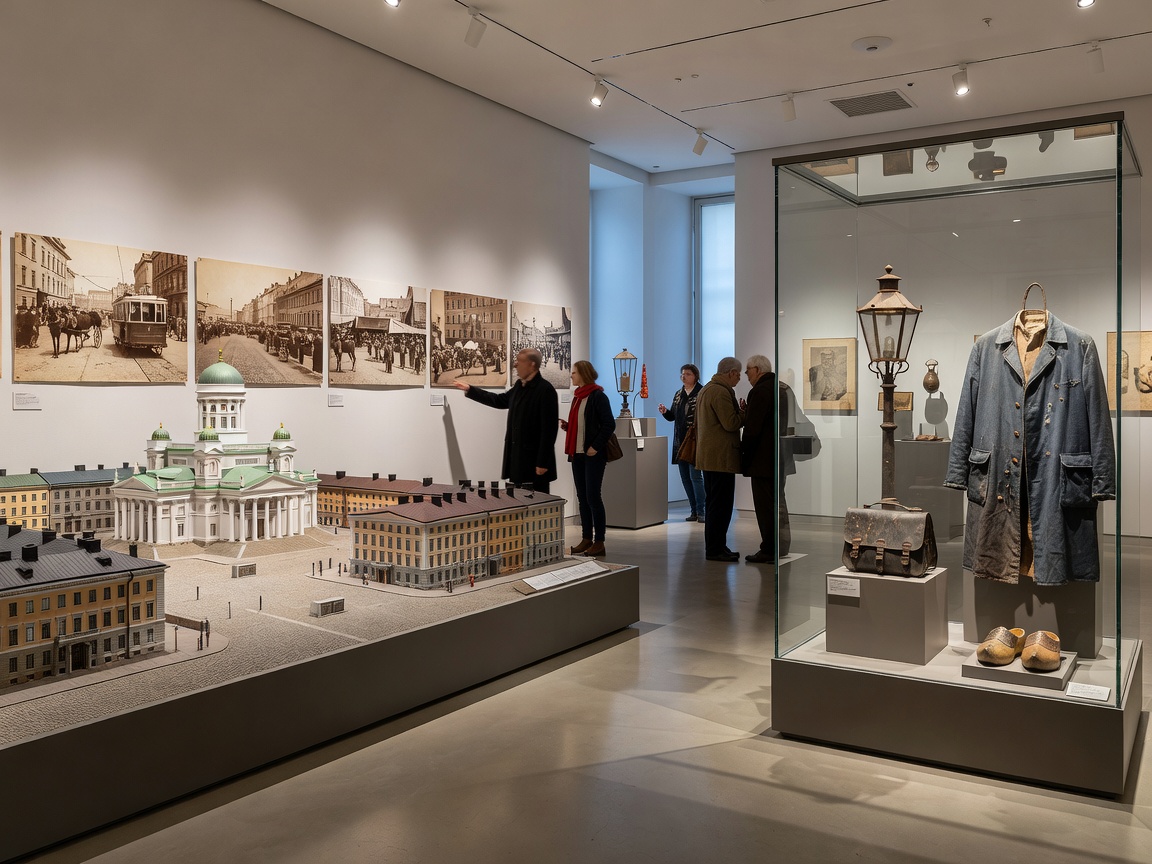
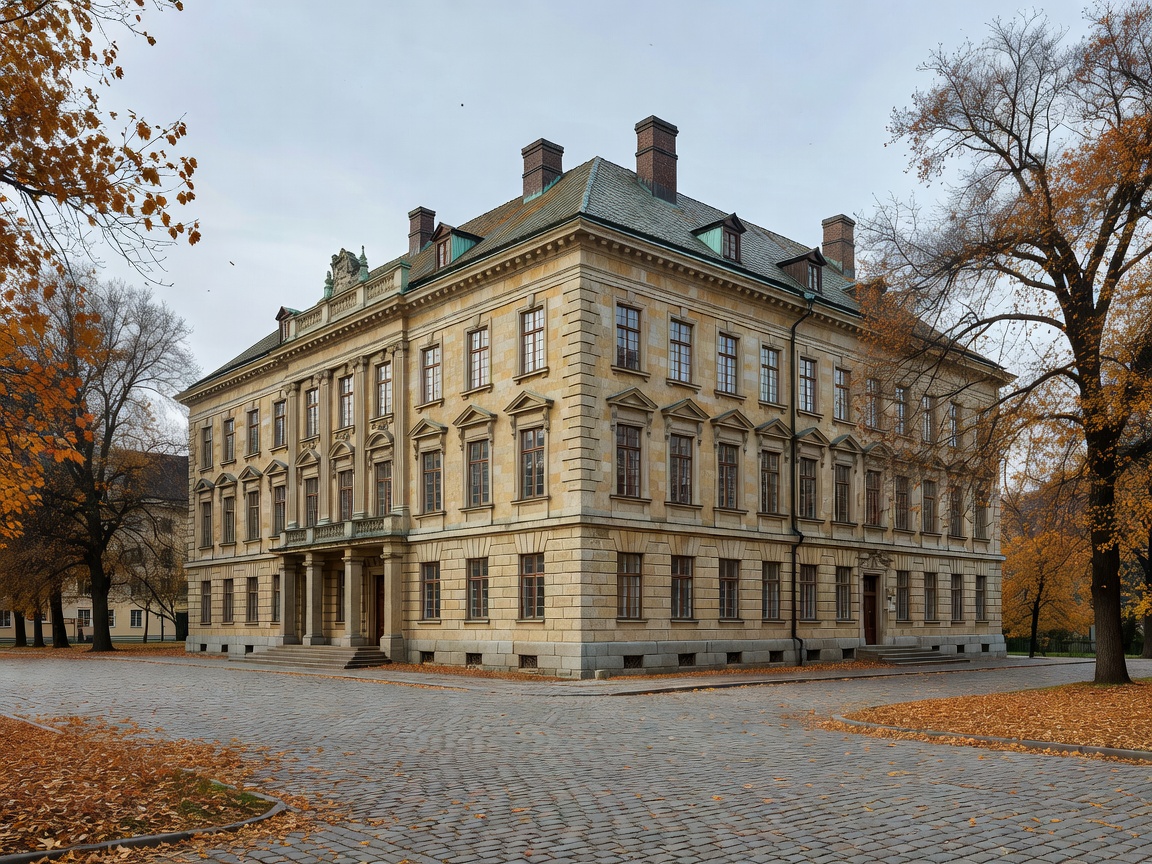
Helsinki University Museum tells the story of the University of Helsinki and of science and learning in Finland. The university traces its roots to 1640, when the Royal Academy of Turku was founded. After the Great Fire of Turku in 1827, the institution moved to Helsinki in 1828, becoming part of the new capital built around Senate Square. The museum is located in the historic Arppeanum building on Snellmaninkatu, on the edge of the Kruununhaka district.
A note on admission: museum admission policies change over time. The University Museum has offered free entry for certain visitor groups and on particular occasions, but you should not assume entry is free on any given day. Check the University of Helsinki website for the museum’s current prices, free-entry days and concessions before you go. This is why we label it “FREE options” rather than simply “FREE”.
What to see
- University history. Displays trace the institution from its Turku beginnings to the modern research university, and its role in Finnish national life.
- Scientific instruments. Historic equipment from disciplines such as astronomy, physics, chemistry and medicine shows how research was done before digital tools.
- Medical history. Objects connected to teaching and practising medicine — fascinating for some visitors, possibly unsettling for others.
- Academic traditions. Finnish doctoral conferment ceremonies are known for the doctoral hat and sword; the museum explains these rituals and the student culture around them.
- The building. Arppeanum is a 19th-century university building whose architecture is part of the visit.
Free things to do nearby
Even if you decide not to buy a ticket, the neighbourhood is rich in free sights. The University of Helsinki’s main building faces Senate Square, and the National Library of Finland on Unioninkatu is housed in a celebrated neoclassical building designed by Carl Ludvig Engel. The library is generally open to visitors during its public hours; check its website for current arrangements. The free-entry Helsinki City Museum is also just around the corner.
Who it suits
This museum is a strong choice for visitors interested in the history of science, education and Finnish society. Families with young children may find the City Museum more hands-on. Most visitors spend around an hour here.
Seasonal information
Autumn and winter
A calm indoor option on dark, wet days. The academic year begins in late summer and early autumn, when the surrounding streets fill with students.
Spring
Around Vappu at the end of April and 1 May, white student caps appear everywhere in Helsinki — a perfect time to connect the museum’s explanation of academic traditions with what you see on the streets.
Summer
Opening hours may differ in summer and around public holidays. Always verify before visiting.
Accessibility
As a historic building, Arppeanum may have entrances, stairs and lift arrangements that differ from modern venues. The museum provides accessibility information on request and through the university’s website; contact it in advance if you need step-free access, seating or other support. The walk from Senate Square involves a gentle uphill section and some cobbled streets.
Walking route: academic quarter (about 1 km)
- Start at the University Museum on Snellmaninkatu.
- Walk south to Senate Square and view the University’s main building and Helsinki Cathedral.
- Follow Unioninkatu past the National Library.
- Finish at the City Museum or continue to Esplanadi.
Pros and cons
Pros
- Distinctive collections you won’t see elsewhere
- Close to other free sights
- Quiet and uncrowded
- Explains Finnish academic traditions
Cons
- Free entry is not guaranteed — check first
- Less child-oriented
- Historic building may limit access
- Specialist themes may not appeal to all